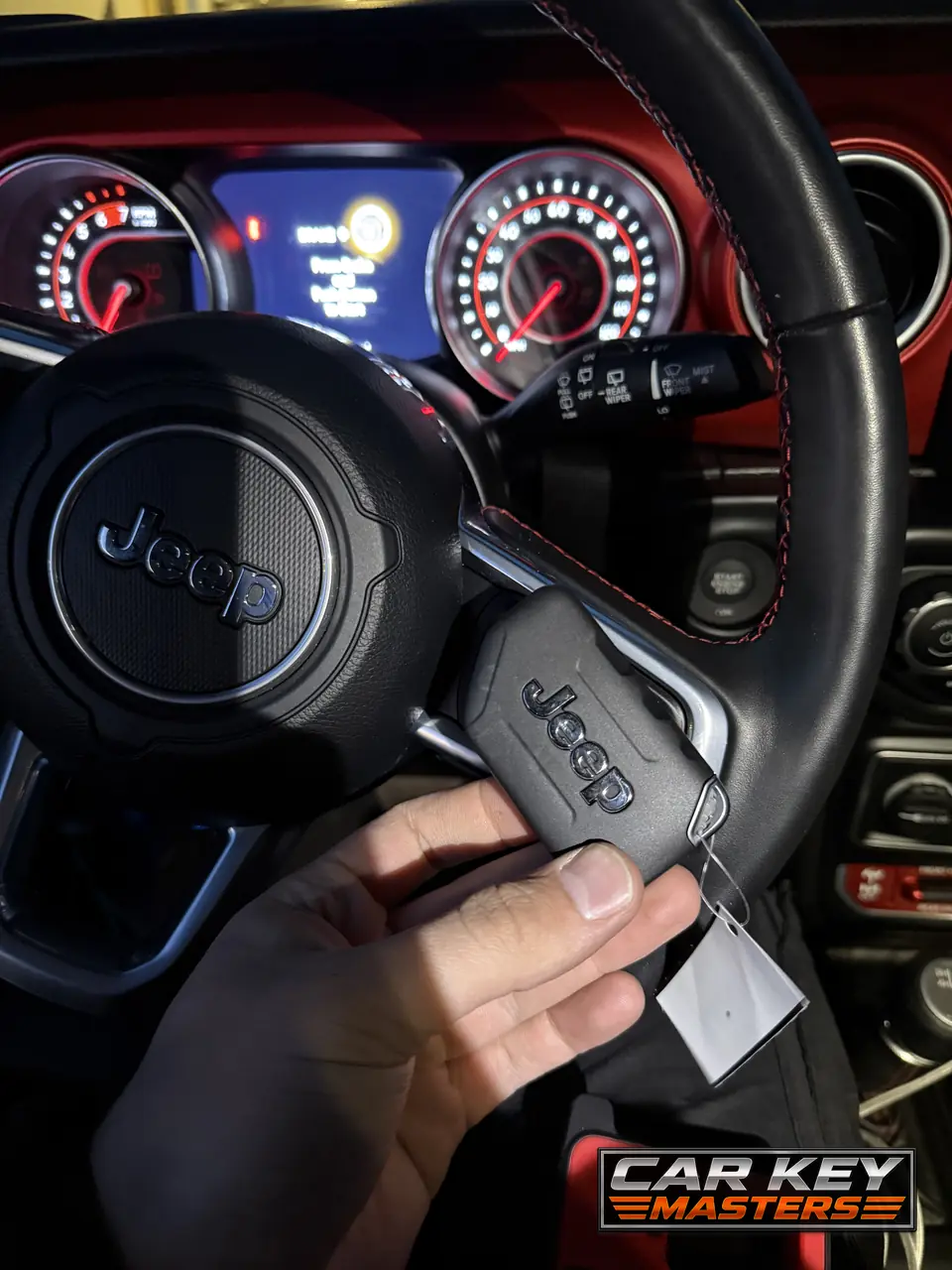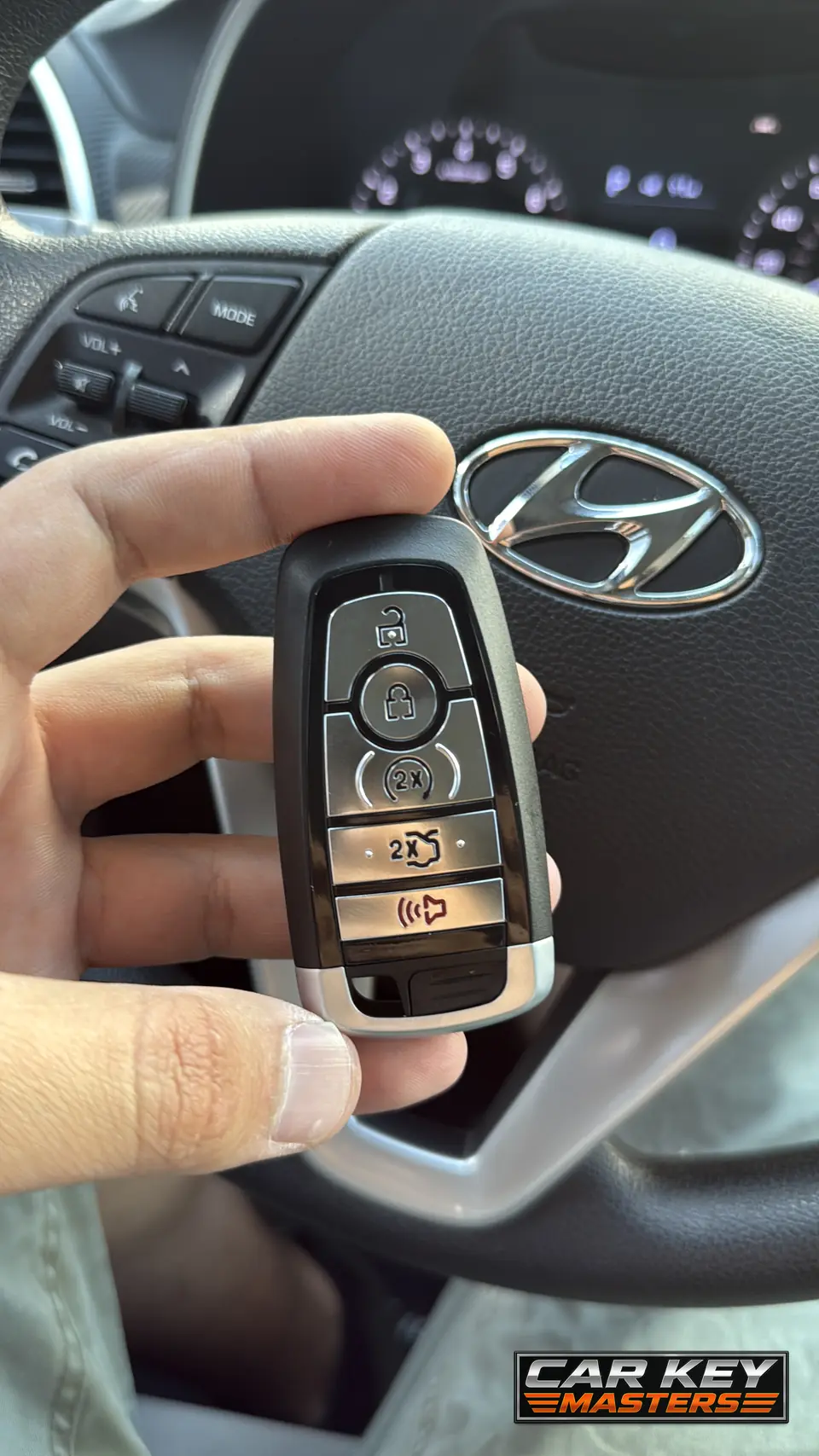
Does your key need programming?
If your key has a thick plastic head, buttons, or no blade at all, it almost certainly needs programming. An all-metal key does not. Programming is what teaches the car to recognize a key's chip and remote signal, so a key that is cut perfectly but not programmed can unlock the door and still refuse to start the engine.
- Metal key with no plastic head: cutting only, no programming.
- Transponder key: the chip in the head is programmed to the car's immobilizer, the system that stops the engine from running without a recognized key.
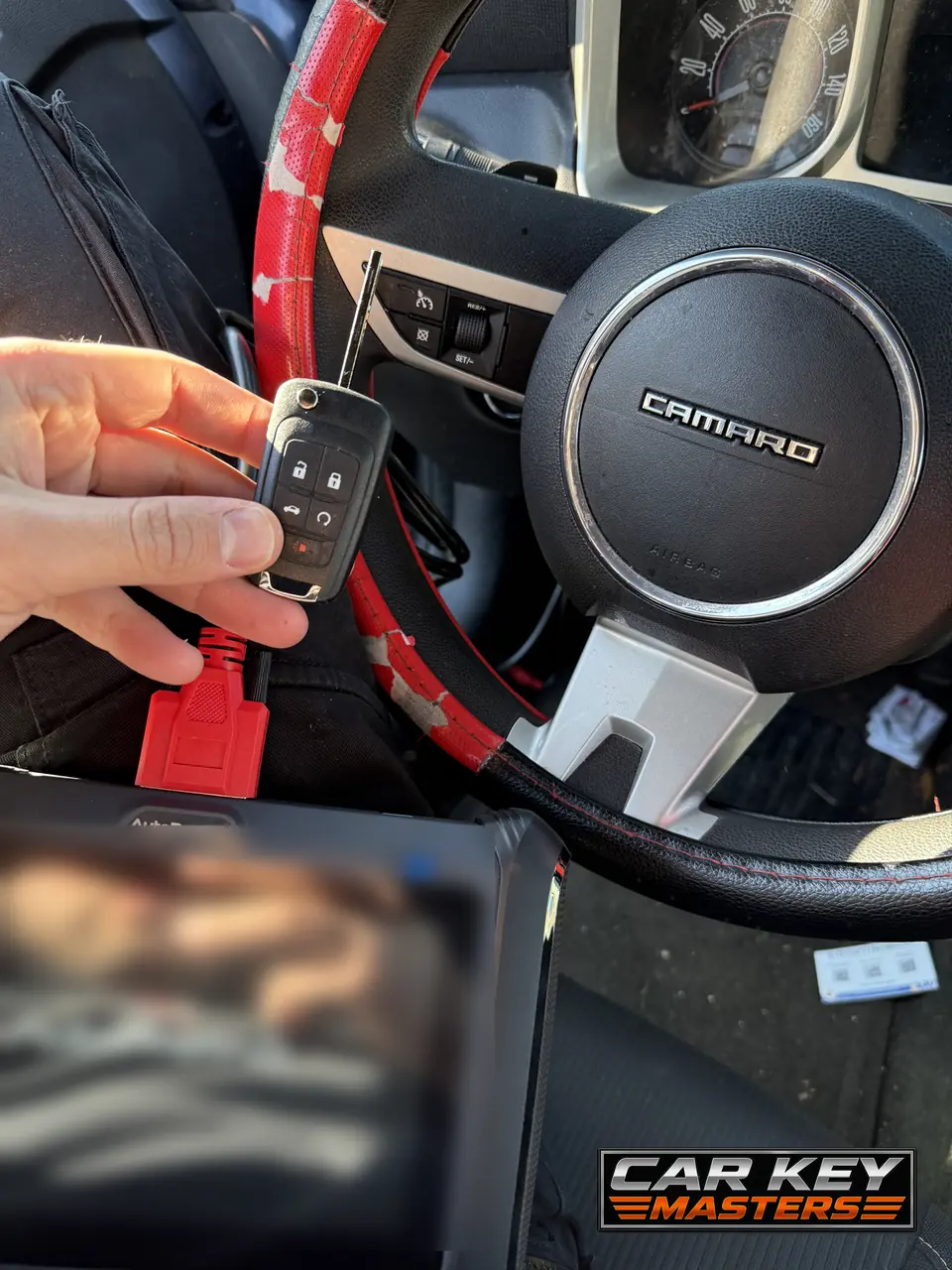
- Remote-head key: both the chip and the lock and unlock buttons are programmed.
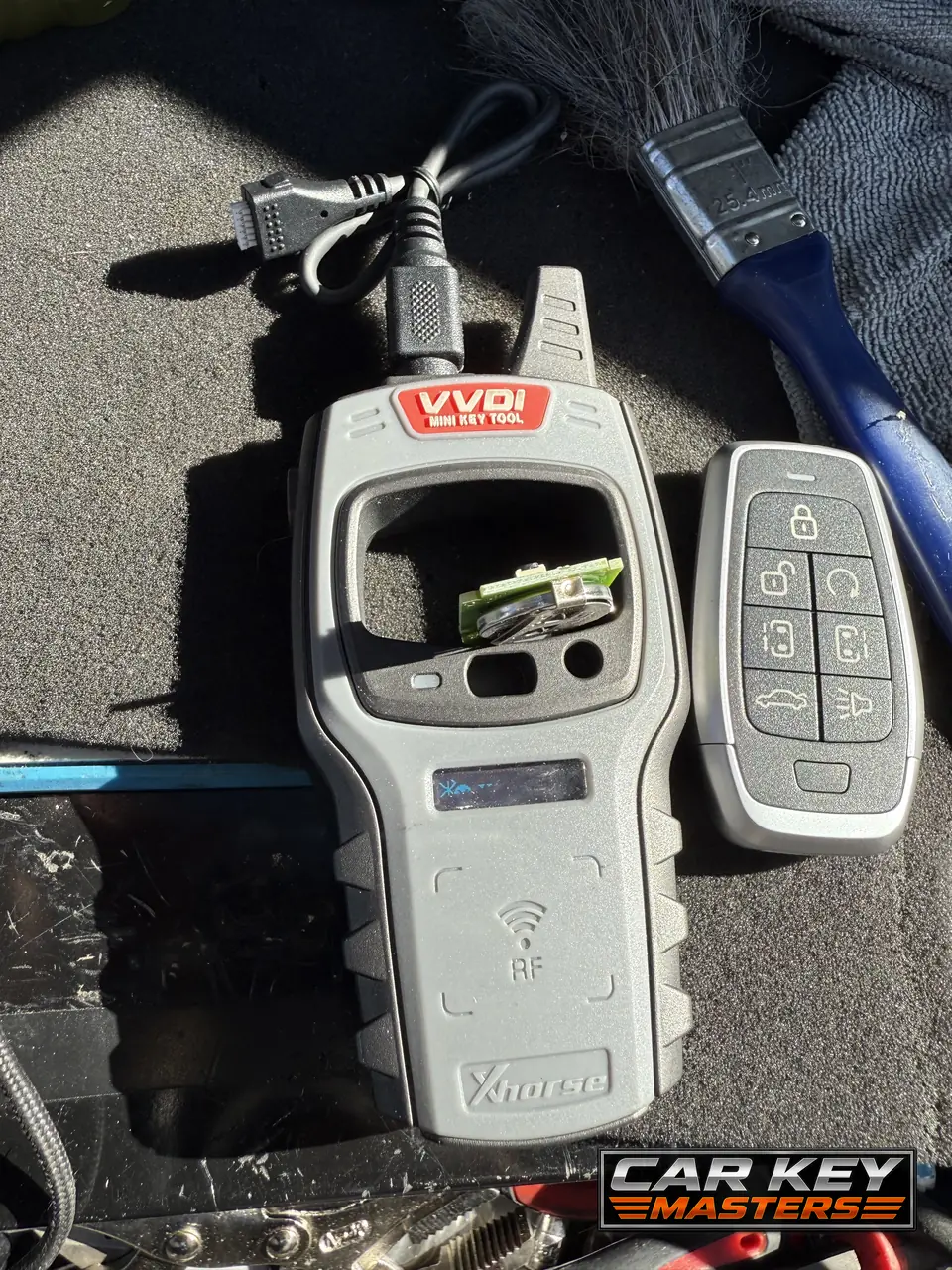
- Separate remote fob: the buttons are programmed, and the metal key is handled on its own.
- Smart key: programmed so keyless entry and push-to-start work. Its hidden emergency blade is cut separately.
Programming is not the same as car key cloning. Cloning copies the data from a working chip onto a new one. Programming adds a new key to the car's own memory. Which method fits depends on the vehicle, and we'll tell you which one applies when you call.
Can you program a key yourself?
Some older vehicles have an on-board procedure: a sequence of turning the ignition, opening a door or pressing buttons that puts the car into a learning mode. On many of those vehicles, it only works if you already have working keys, and often two of them. It is more common for adding remote buttons than for the chip that starts the engine.
If your owner's manual lists a procedure, it can be worth a try for a remote. If it doesn't take after a couple of attempts, stop there. Some vehicles go into a temporary security lockout after repeated failed tries, which only adds delay.
Most newer vehicles have no do-it-yourself option. They need a professional programmer connected to the diagnostic port under the dash. Our technicians use professional key programmers such as the Autel IM608.
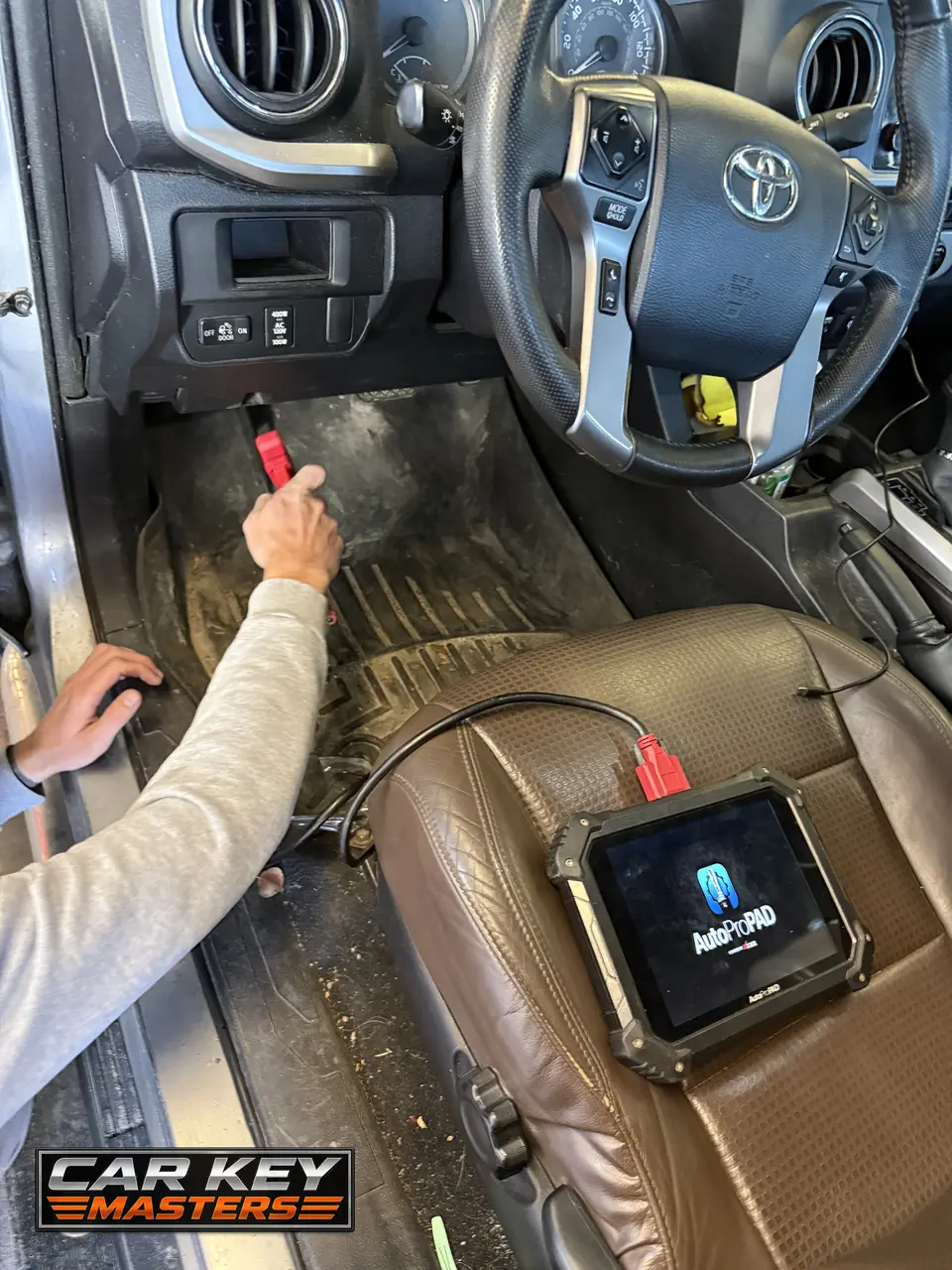
What happens when we program at your car
Programming happens where the vehicle is parked: your driveway, a workplace lot or a spot along State Street. The steps below show the order of the work. Most programming jobs typically take well under an hour once the technician is on site, though all-keys-lost jobs and some newer vehicles take longer.
Ready to schedule? Our car key programming service page covers the visit itself and the makes we work on most often.
Why battery voltage matters
During programming, the car's computer is being written to. If battery voltage dips in the middle, the session can fail and need to start over, and on some vehicles an interrupted session causes extra trouble. That is why the technician connects a jump pack before starting, to keep the voltage steady.
Treasure Valley weather makes this worse. A battery that cranks fine on a mild afternoon can sag on a cold January morning after a night parked outside, and summer heat wears batteries down too. If your engine has been slow to start lately, mention it when you call.
Late-model vehicles and dealer-only access
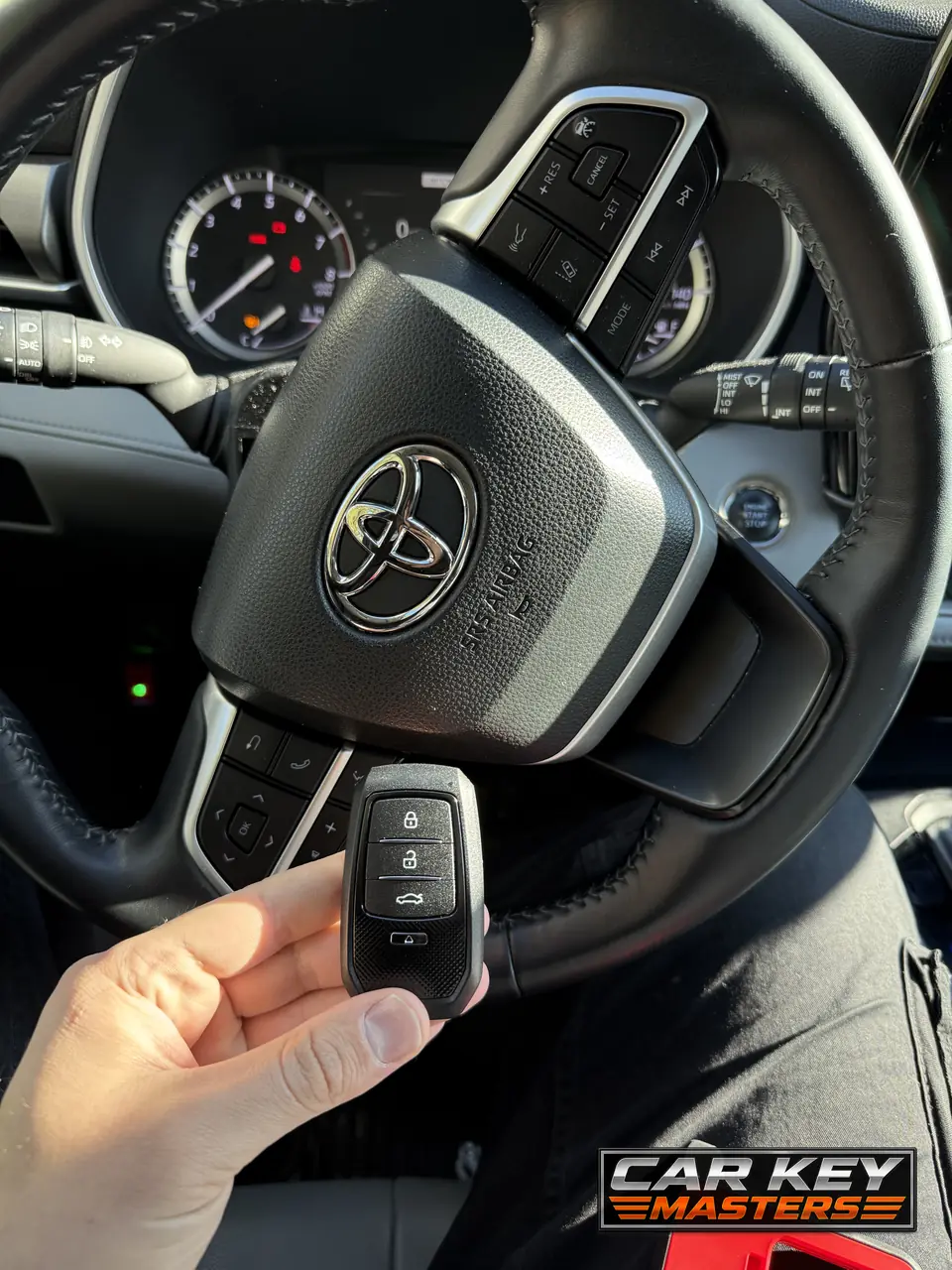
A few late-model vehicles lock key programming behind security access that only the dealer can get. If your year, make and model fall in that group, we tell you on the phone, before a technician drives out.
Tool support changes as new models come out, so a brand-new vehicle may get a different answer than the same model a few years older. That is one more reason the year matters when you call.
Keys and fobs bought online
Many keys and fobs sold online can be programmed, but not all of them. Some have the wrong chip or frequency for your vehicle, some are used keys already locked to another car, and some are simply poorly made.
Before you buy, call with the listing details and your year, make and model, and we'll do a compatibility check. Even with a match, we can't promise a third-party key will accept programming. If you'd rather skip the guesswork, with key fob replacement we bring a fob matched to your vehicle and program it on site.
Lost or old keys: erase them
A lost or stolen key can still start your car if someone finds it. During programming, the technician can erase lost keys from the car's memory so only the keys in your hand will work.
On many vehicles, erasing clears every key at once, and the keys you still have are added back in the same session. So bring every key you want to keep using, including the spare in the kitchen drawer. A key that isn't there may stop working.
How it works
- Confirm the keyWe check that the key or fob matches your vehicle's chip and remote type before anything is cut.
- Check ID and ownershipThe technician checks a photo ID and the registration or title first.
- Steady the batteryA jump pack keeps the voltage steady while the car's computer is written to.
- Cut and programThe blade is cut, then a professional programmer adds the key to the car's memory.
- Erase missing keysLost or stolen keys can be removed from memory in the same session.
- Test everythingEvery key and button is tested before the technician leaves.