What key cutting covers
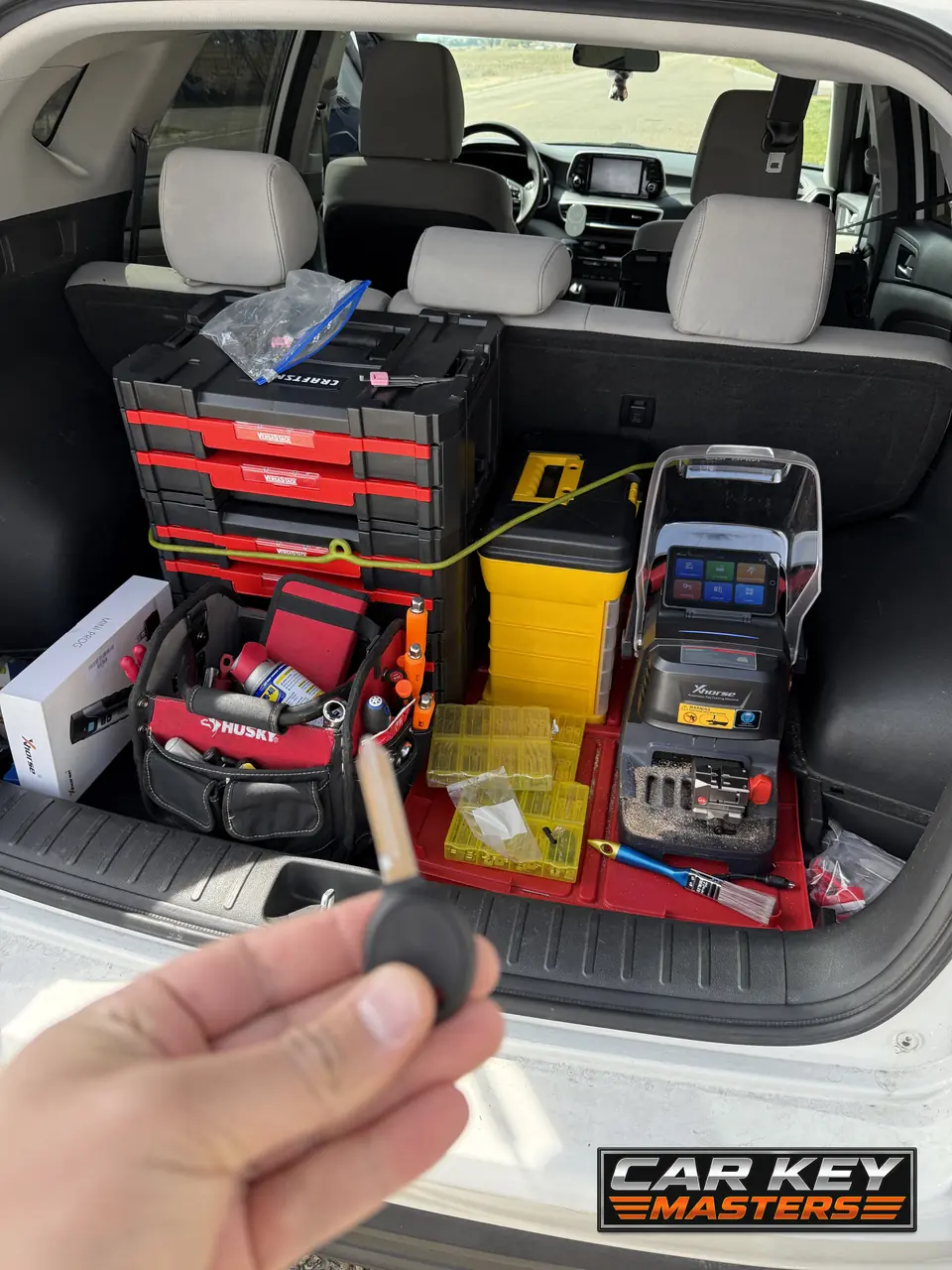
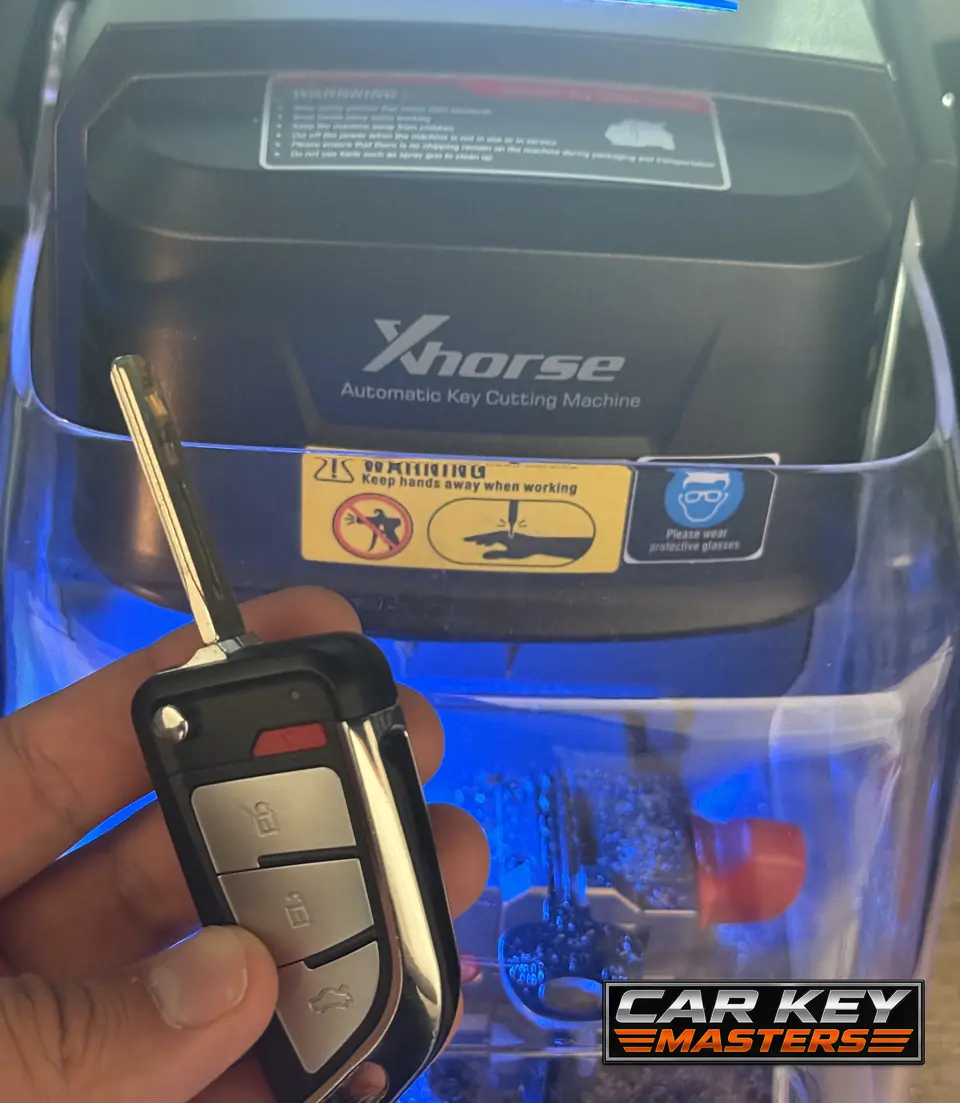
Key cutting is the mechanical part of a car key: the shape of the blade that turns the door locks, the trunk and, on keyed ignitions, the ignition. We cut new blades from blanks, either matching a key you have or working out the cuts when no key is left.
On an older car with no chip, a correctly cut key is the whole job. On most newer cars, the blade is only half of it. The chip or smart key has to be paired with the car too, which is car key programming.
Blade styles we cut
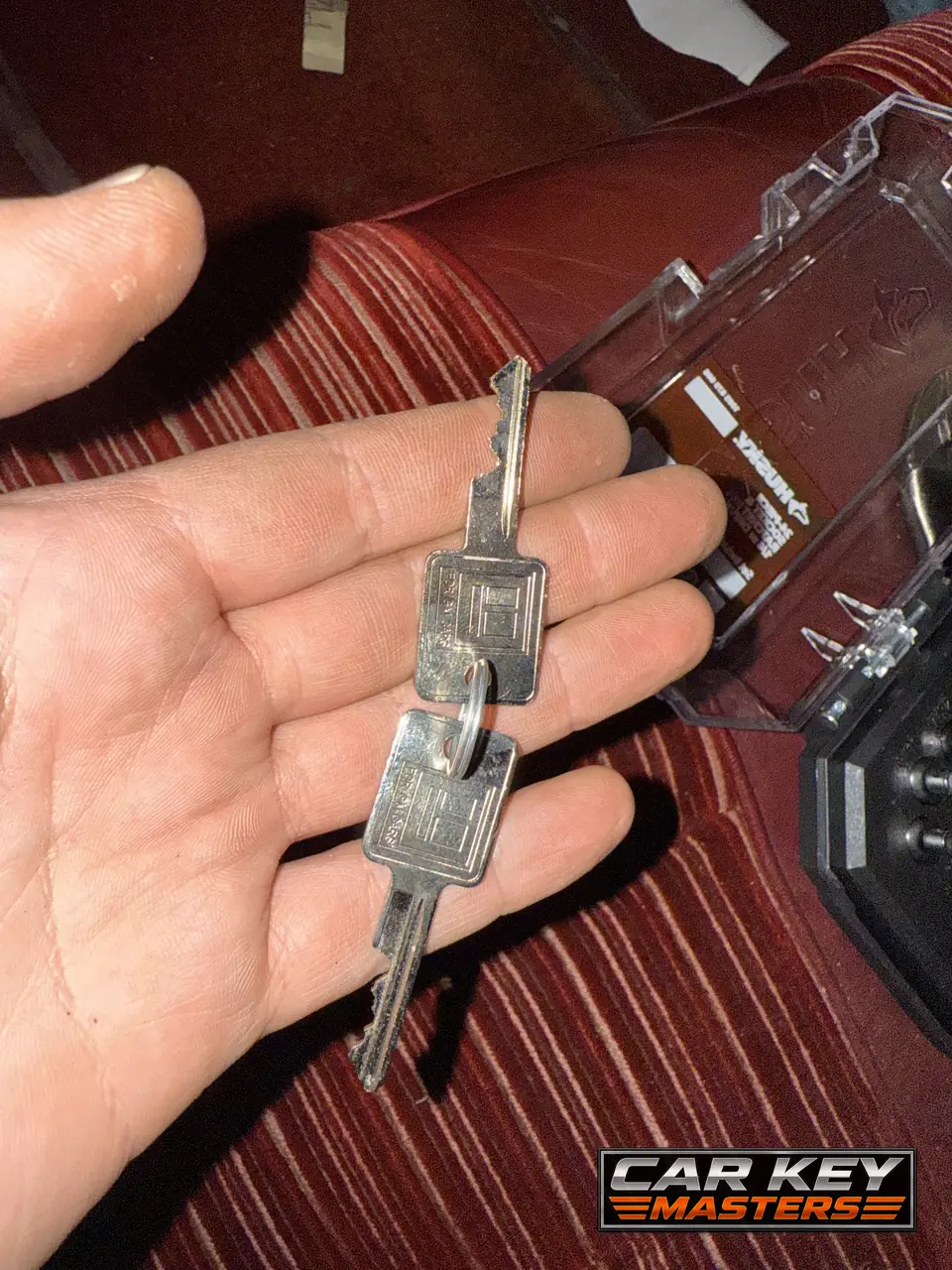
- Edge-cut keys: the traditional style, with notches along one or both edges of the blade. Found on many older and some current vehicles.
- Laser-cut (sidewinder) keys: a thicker blade with a wavy groove milled into the flat face instead of notches on the edge. Common on newer vehicles and on the emergency blade inside many smart keys. They're often called high-security keys because they're harder to copy.
- Tibbe and other older styles: a few makes used unusual designs, such as the round Tibbe-style key. Call first with the year, make and model so we can check that we have the right blank.
Not sure what yours is? Notches on the edges mean edge-cut. A groove running down the middle of the face means laser-cut.
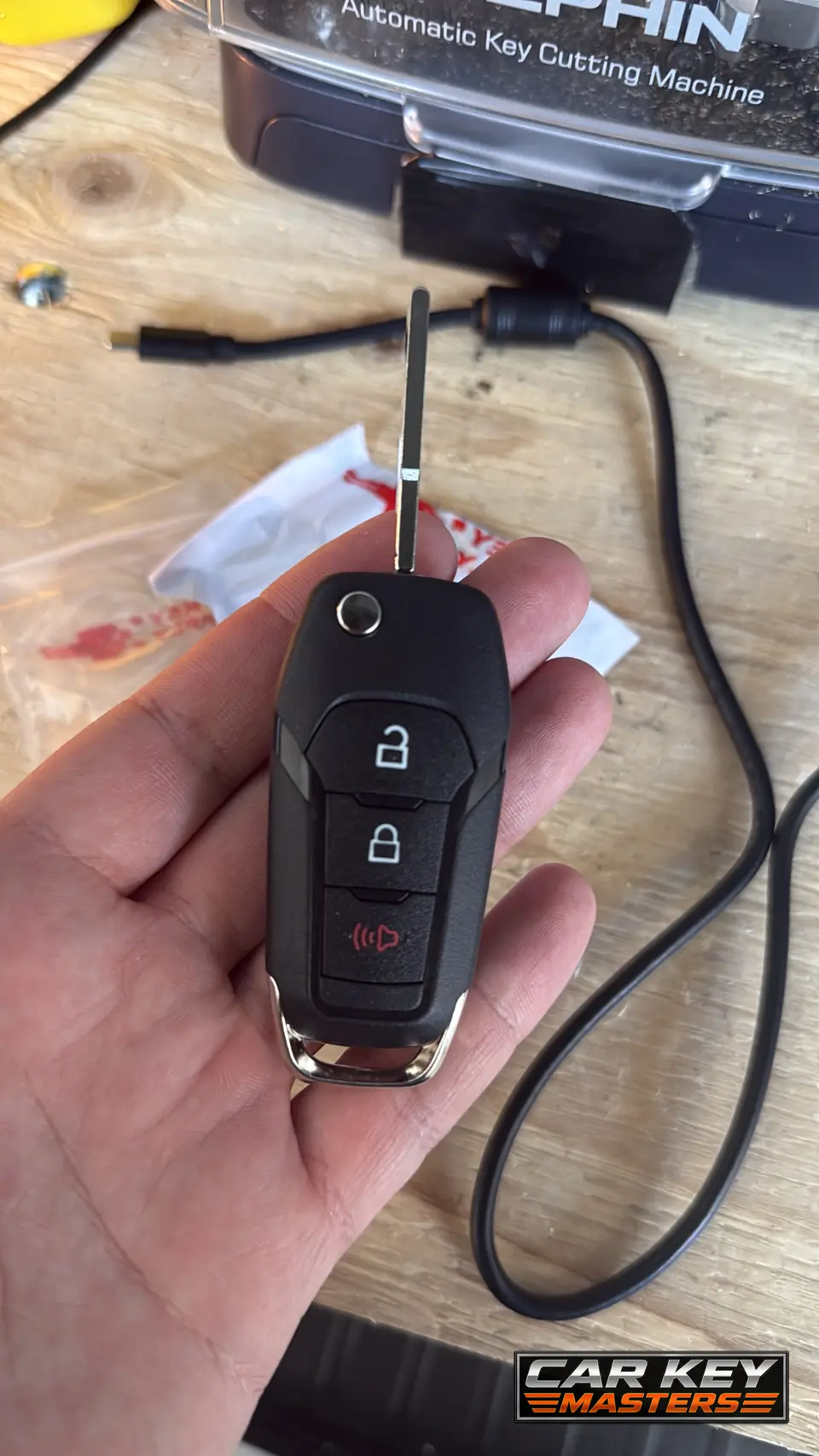
Three ways to get the cuts
A blade is only as good as the information behind it. We get the cuts one of three ways:
- By code: many vehicles have a key code that maps to exact cut depths. When a code is available, we enter it into the cutting machine and cut to factory spec.
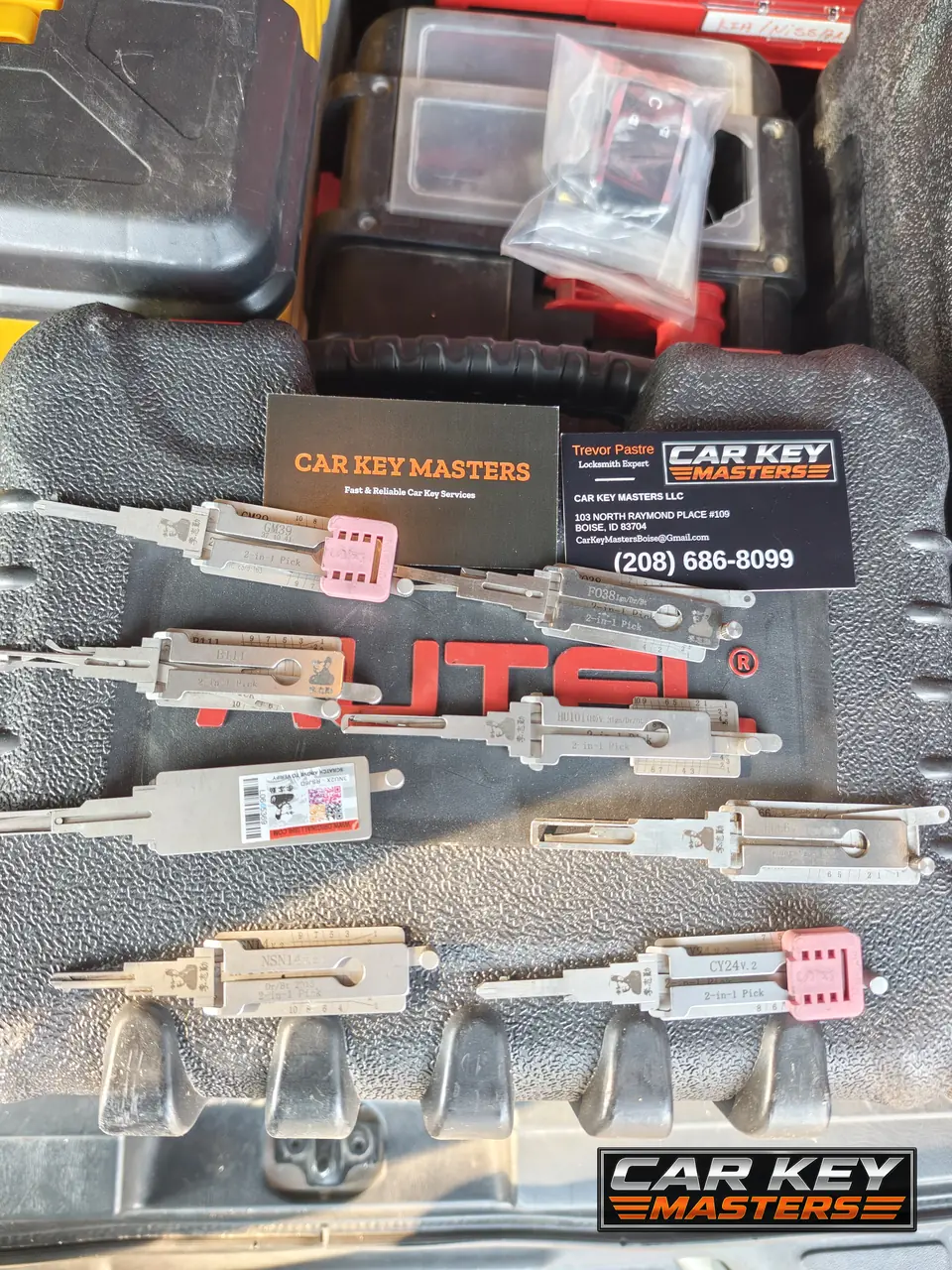
- By decoding the lock: when every key is lost and no code is available, we use Lishi-style decoder tools to read the cut positions from a door lock without damaging it, then cut a key to match.
- By duplicating: when you have a key in good shape, we trace it on the machine. It's quick and accurate as long as the original isn't worn.
We check a photo ID and the registration or title before cutting any key.
When an old key starts to stick
Keys wear down over years of use, and so do the parts inside the lock and ignition. A worn key may need jiggling, stick halfway or work in only one door. Copying that key copies the wear.
A fresh key cut to factory depths often turns smoothly again. If a new key still sticks, the problem may be inside the ignition cylinder, which we can rebuild or replace (ignition repair). If a key has already snapped in a lock, see broken key extraction.
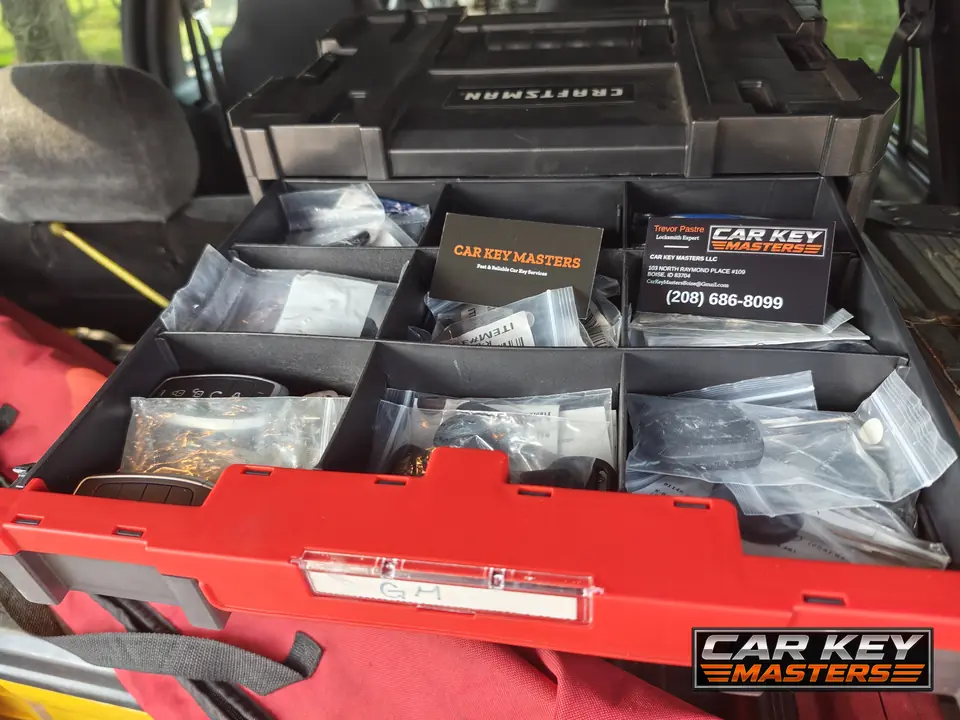
Why a cut key alone may not start your car
If your car uses a transponder chip, a freshly cut blade will open the doors and may turn the ignition, but the engine won't keep running without a chip the car recognizes. That's why a blade-only copy can fail even though it fits perfectly.
When we cut a key for a chipped car, we also clone or program the chip so the finished key starts the engine. For the difference, see car key cloning and car key copy.