The short answer
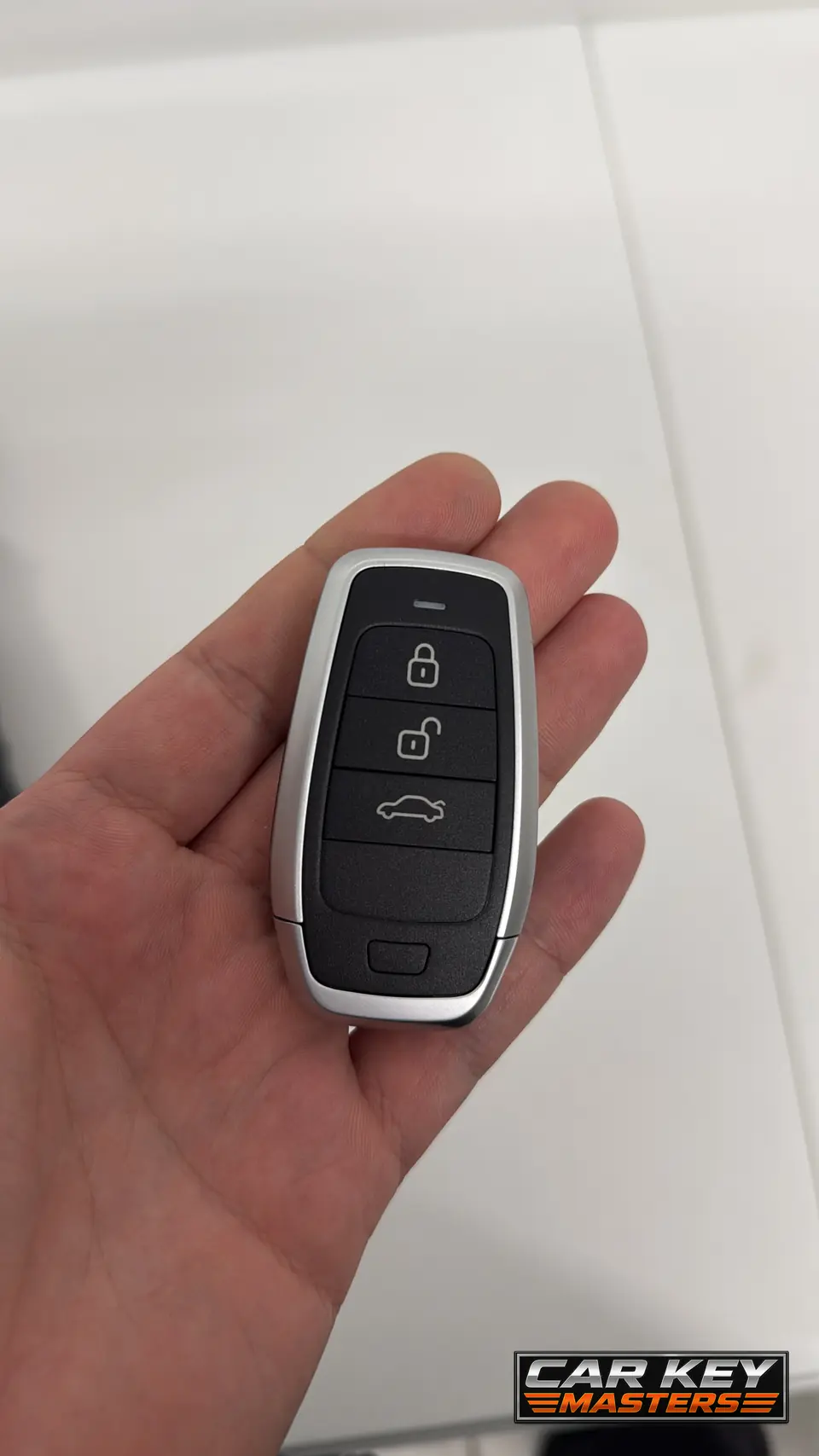
When every key is gone, a mobile locksmith can come to the car, work out the key's cut, cut a new key and program it to the vehicle, all on site. You usually don't need a tow. The steps below can save you the job entirely, or make it go faster.
If a child or pet is locked inside the car on a hot or very cold day, call 911 first.
Retrace your steps and call around
Check every pocket and bag, the ground around the car, and under the seats if the car is open. Then think back through the day and call the places you visited. Lost keys often end up at a front desk or a lost-and-found.
If you were outdoors, think about where you stopped. On the Boise River Greenbelt or a trail near Table Rock, keys tend to fall out at a bench, a water stop or the spot where you tied a shoe. Calling a few places costs nothing and sometimes ends the search.
Check whether a spare exists
Many vehicles leave the factory with two keys. Ask anyone who might have the second one: a partner, a roommate, a parent, or the previous owner if you bought the car used.
Even an old spare with a dead battery is worth finding. A battery is a quick fix, and copying a working key is a simpler job than making one with nothing to copy. Our cost guide explains why that difference matters.
Find the VIN and your paperwork
The VIN is the 17-character vehicle identification number. You can read it through the bottom of the windshield on the driver's side, and it is also printed on your registration, title and insurance card.
The technician checks a photo ID and proof of ownership, the registration or title, before opening the car or making a key. If the registration is locked inside the car, say so when you call, so proof of ownership can be sorted out before the technician arrives.
Don't tow it to a dealer before you call
A dealer can make a key, but the car has to be at the dealer. With no key, that means paying for a tow, waiting for a service appointment, and sometimes waiting again while a key is ordered. A mobile locksmith comes to the car instead, and once you add the tow, the dealer route is often the more expensive one.
A few late-model vehicles do need dealer-only security access. If yours is one of them, we tell you on the phone, so you can make the tow decision with the facts.
How a key is made from nothing
With no key to copy, the technician first works out the cut. There are two common ways:
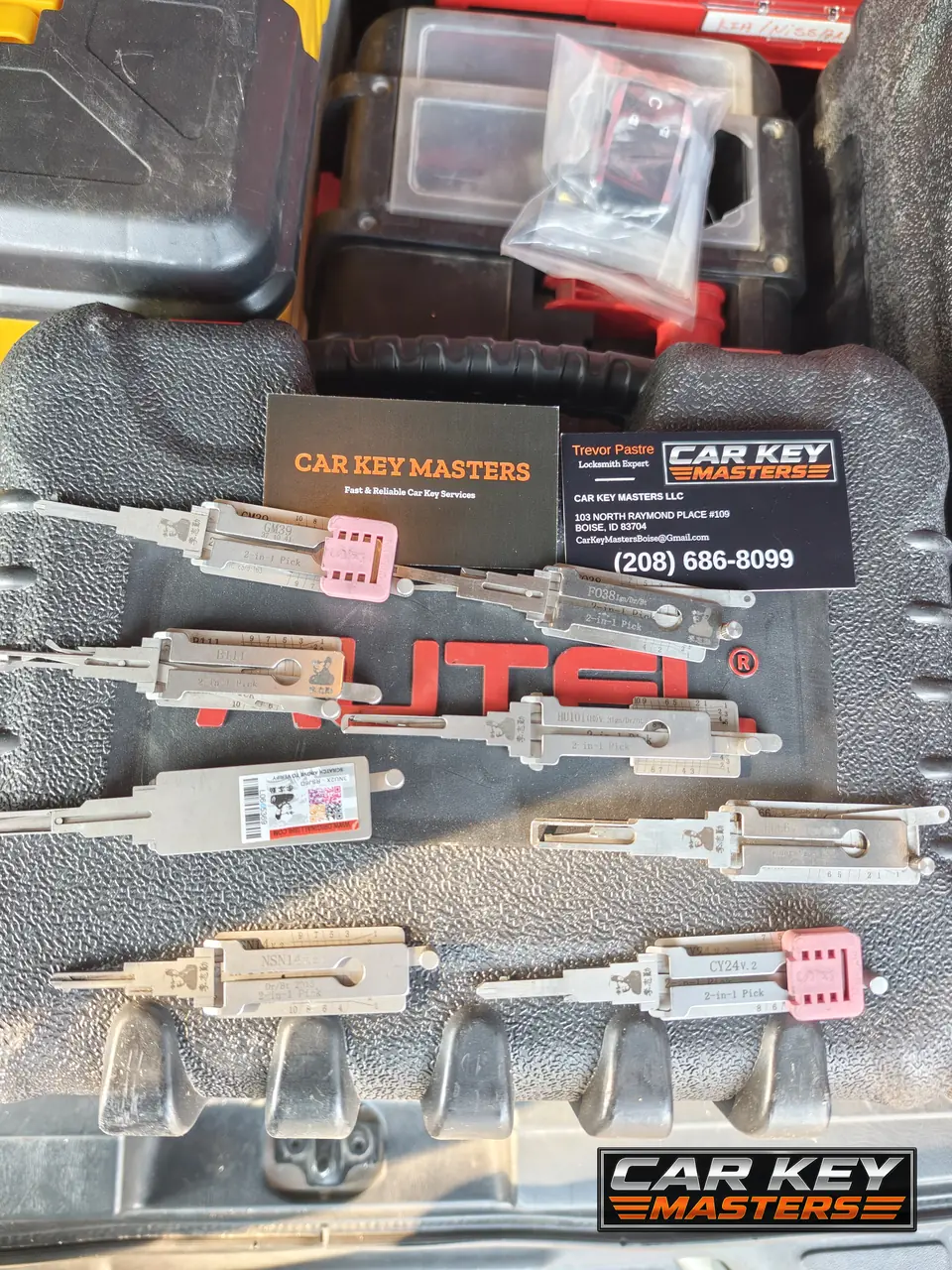
- Decode the lock. Lishi-style decoder tools read the inside of the door lock, so the cut can be worked out without removing the lock.
- Use a key code. For some vehicles, the cut can be looked up from a code tied to that vehicle.
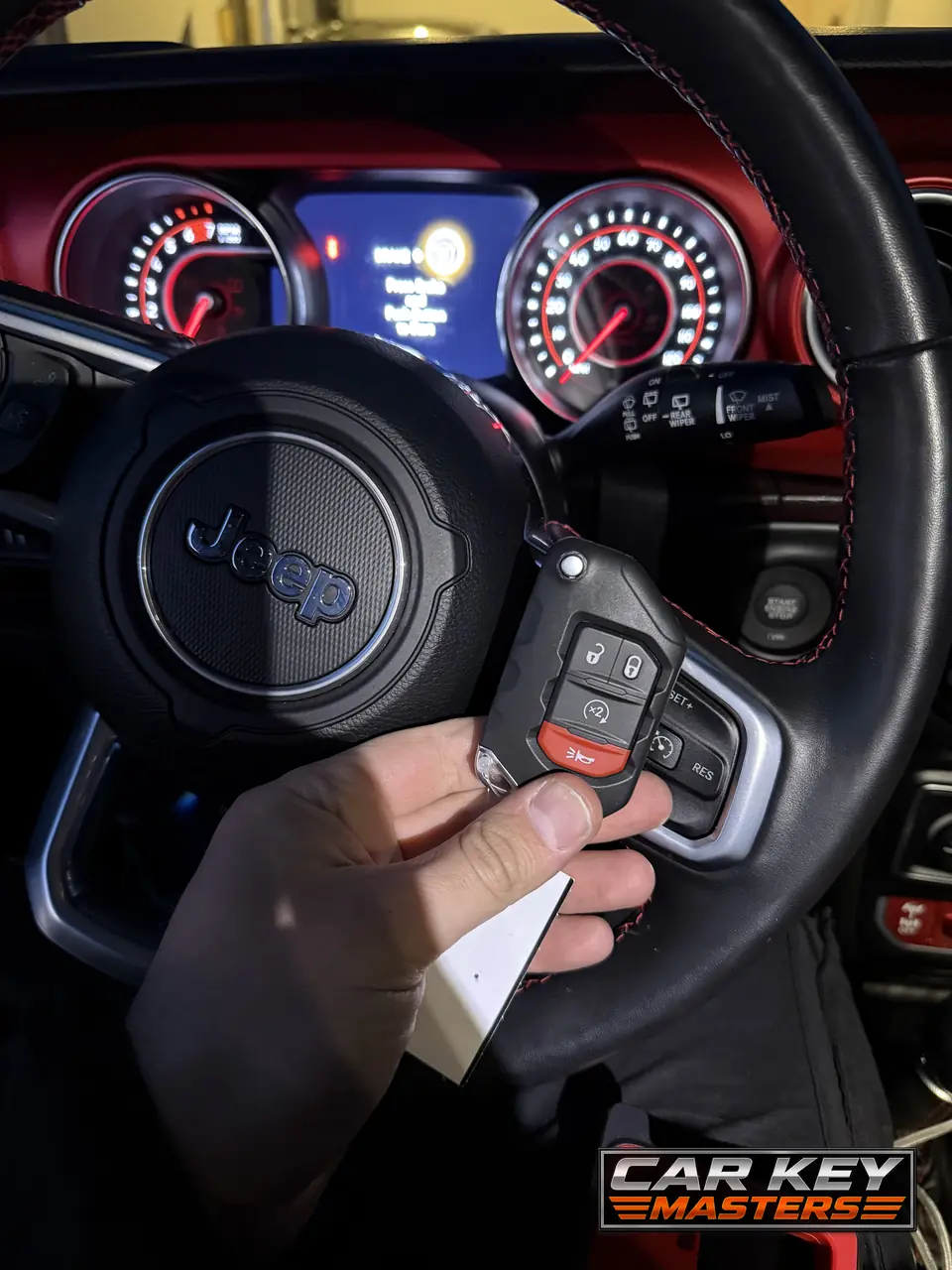
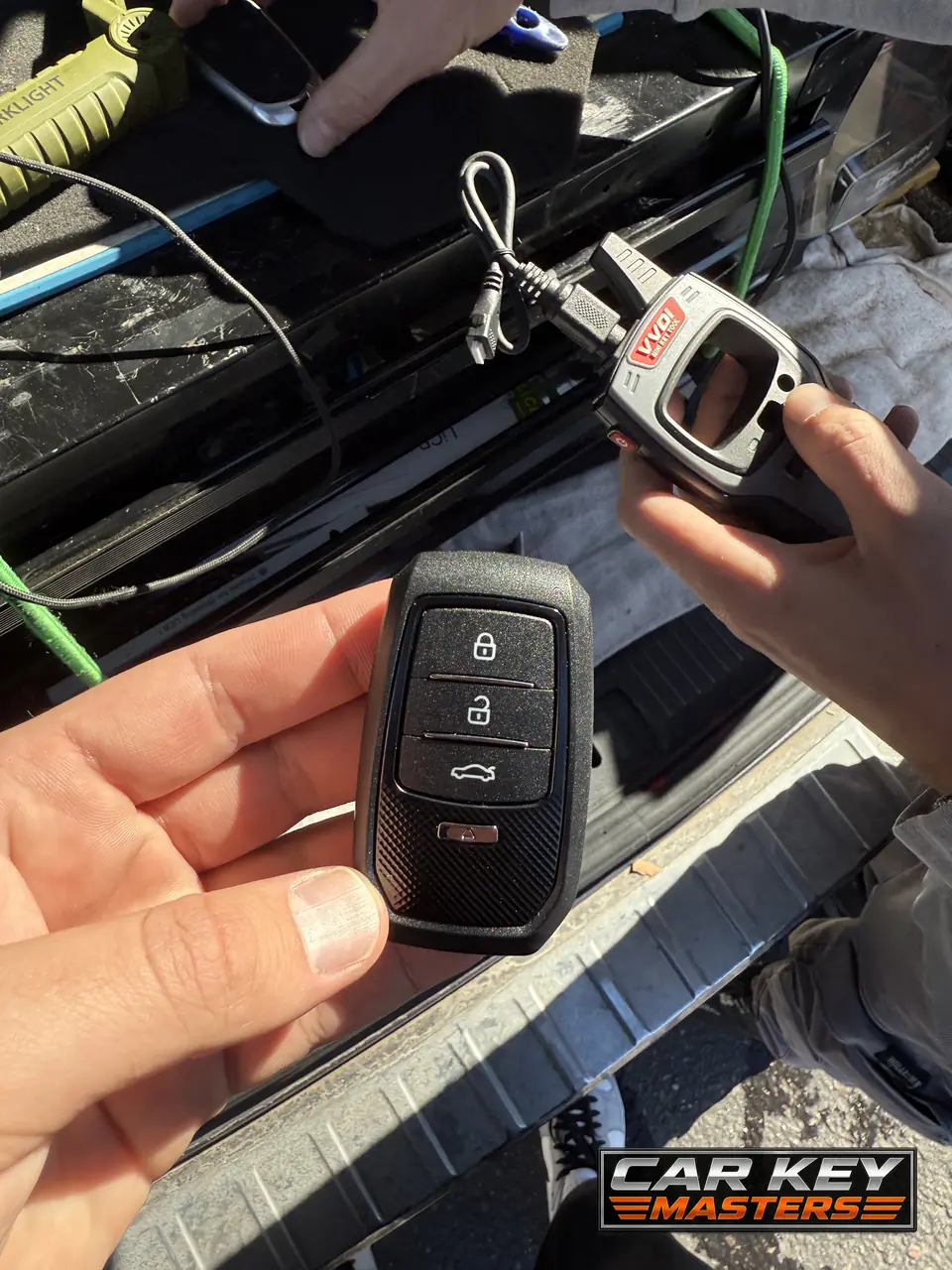
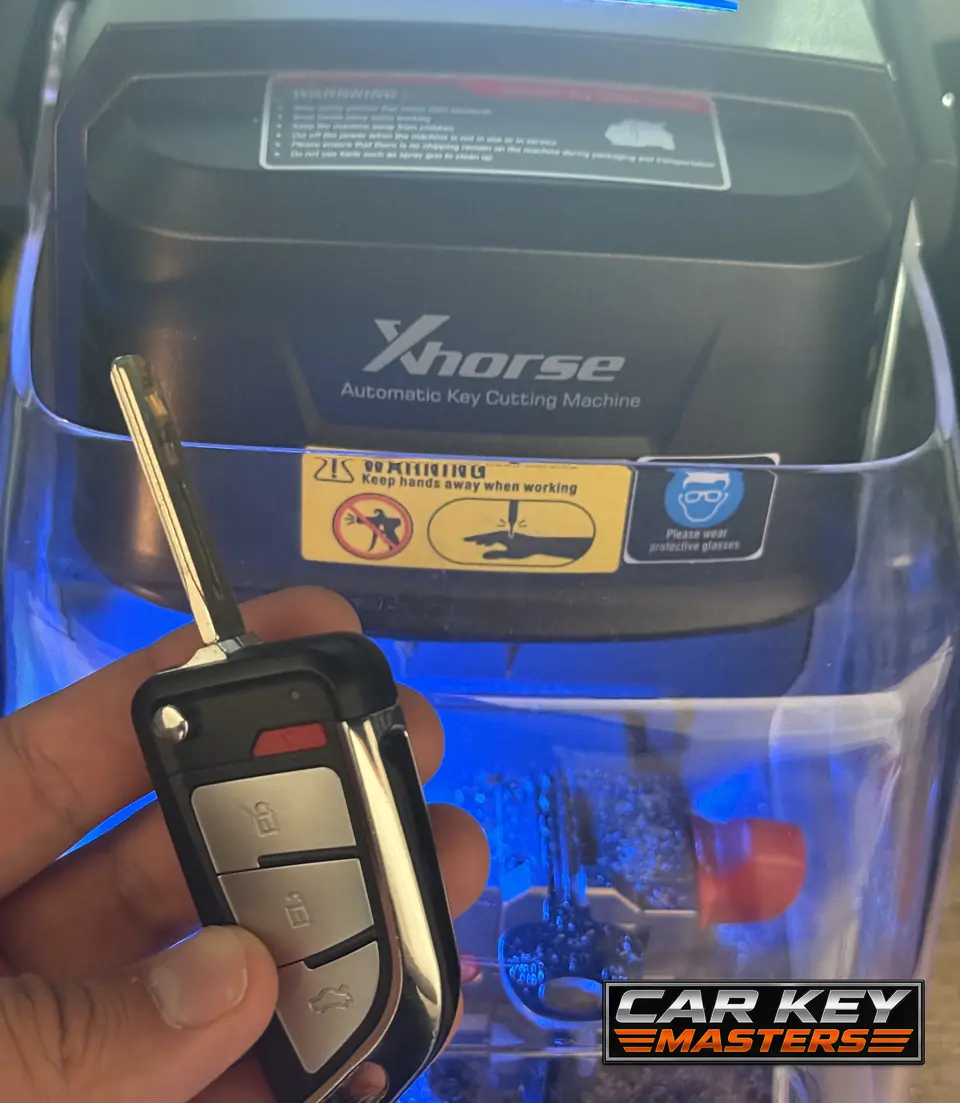
The new key is then cut on the service vehicle's key cutting machine and programmed to the car with a professional programmer, with a jump pack keeping the battery steady. Our car key cutting and car key programming pages explain each step. Every key and button is tested before the technician leaves.
Erase the lost keys
A lost key can still start your car if someone picks it up, and a key dropped in a parking lot is often found close to the car it belongs to. During programming, the technician can erase lost keys from the car's memory so only the new keys work. Ask for this any time a key is lost or stolen.
Tell us exactly where the car is
We answer the phone 24/7, so once you've worked through the checks above, call from the car if you can. Arrival is typically 15–45 minutes in the Boise metro, depending on location and traffic, and an exact location keeps the technician from circling. Helpful details:
- Parking garages: the level, the row or space number, and which entrance to use
- Boise Airport: which lot, and the row marker nearest the car
- Trailheads: the trailhead name and the road it is off
- Greenbelt parking: the lot, and the nearest cross street or park
How to avoid this next time
Once your new key works, have a second one made in the same visit. Adding a key while the technician is already programming your car takes far less work than another all-keys-lost job later. For how the visit works, see car key replacement.
Keep the spare somewhere other than the car, and consider a small Bluetooth tracker tag on your key ring. It can help you find a key that slips out of a pocket on a trail.
How it works
- Retrace and callCheck pockets, bags and the ground, then call the places you visited today.
- Look for a spareAsk anyone who might have the second key, including a previous owner.
- Find the VINRead it through the windshield on the driver's side or from your paperwork.
- Hold off on the towCall before paying for a tow to a dealer.
- Call with the detailsYear, make, model, push-to-start or not, and the exact location.
- Have ID and ownership readyA photo ID plus the registration or title is checked before any key is made.